QUALITY DAILY PHYSICAL EDUCATION
 
About QDPE
PRINT

PHE Canada believes that quality daily physical education in schools is essential to the healthy development of Canadian children and youth. All children need and deserve quality, daily physical education – it is an essential part of childhood development, and an opportunity that can access virtually every child in Canada.

QDPE: What is it?

PHE Canada launched the term Quality Daily Physical Education (QDPE) in 1988 as a way to define a program that is well-planned, taught by qualified and enthusiastic professionals, and offers a variety of learning opportunities to all students on a daily basis throughout the entire school year. PHE Canada developed a definition for QDPE that describes the "minimum" standards required for a school QDPE program.

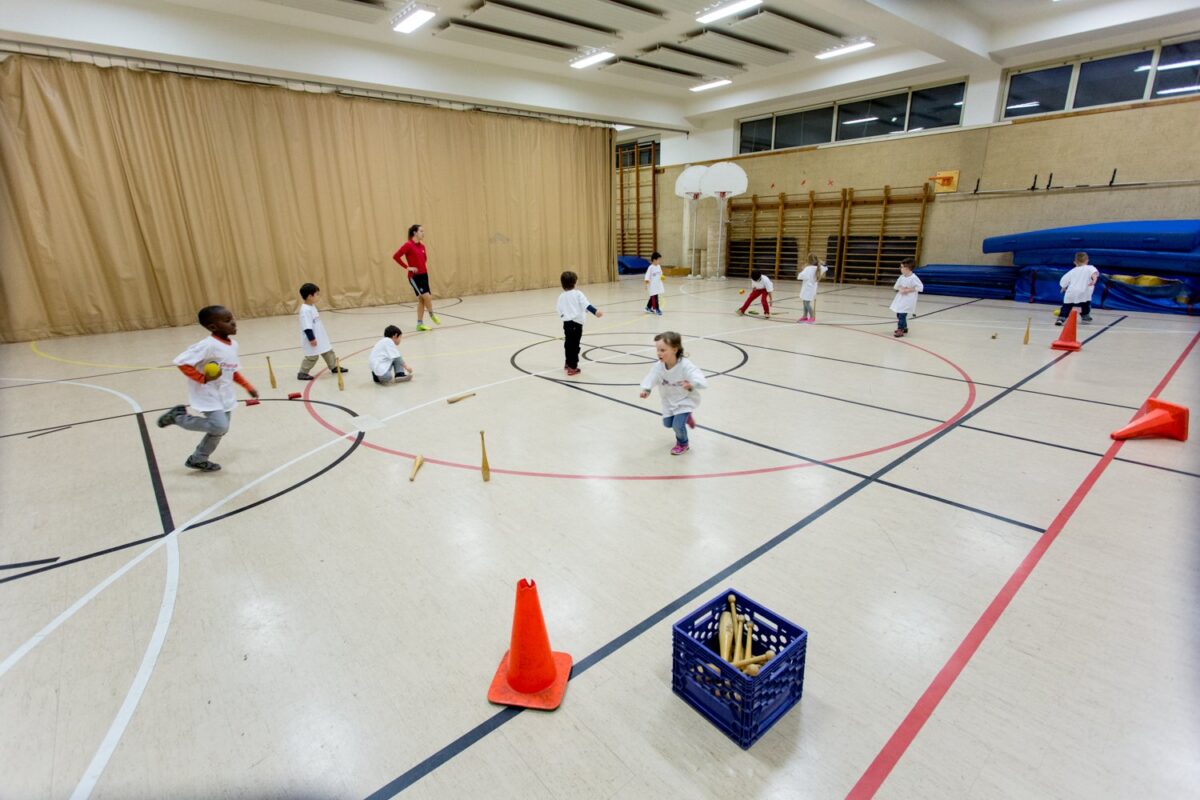
QDPE is a well-planned school program of compulsory physical education provided for a minimum of 30 minutes each day to all students (Kindergarten to grade 12) throughout the school year. A QDPE program includes:

  • Daily curricular instruction for all students (K-12) for a minimum of 30 minutes.
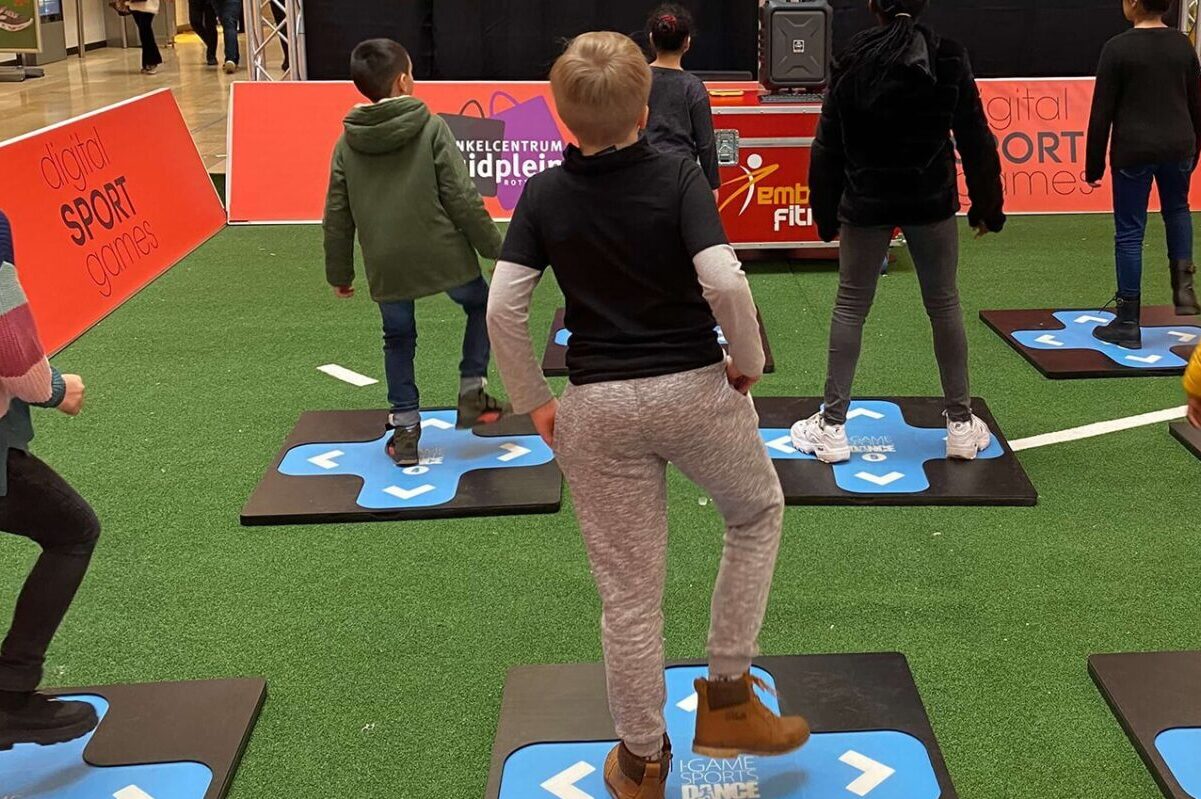
  • Well planned lessons incorporating a wide range of activities.
  • A high level of participation by all students in each class.
  • An emphasis on fun, enjoyment, success, fair play, self-fulfillment and personal health.
  • Appropriate activities for the age and stage of each student.
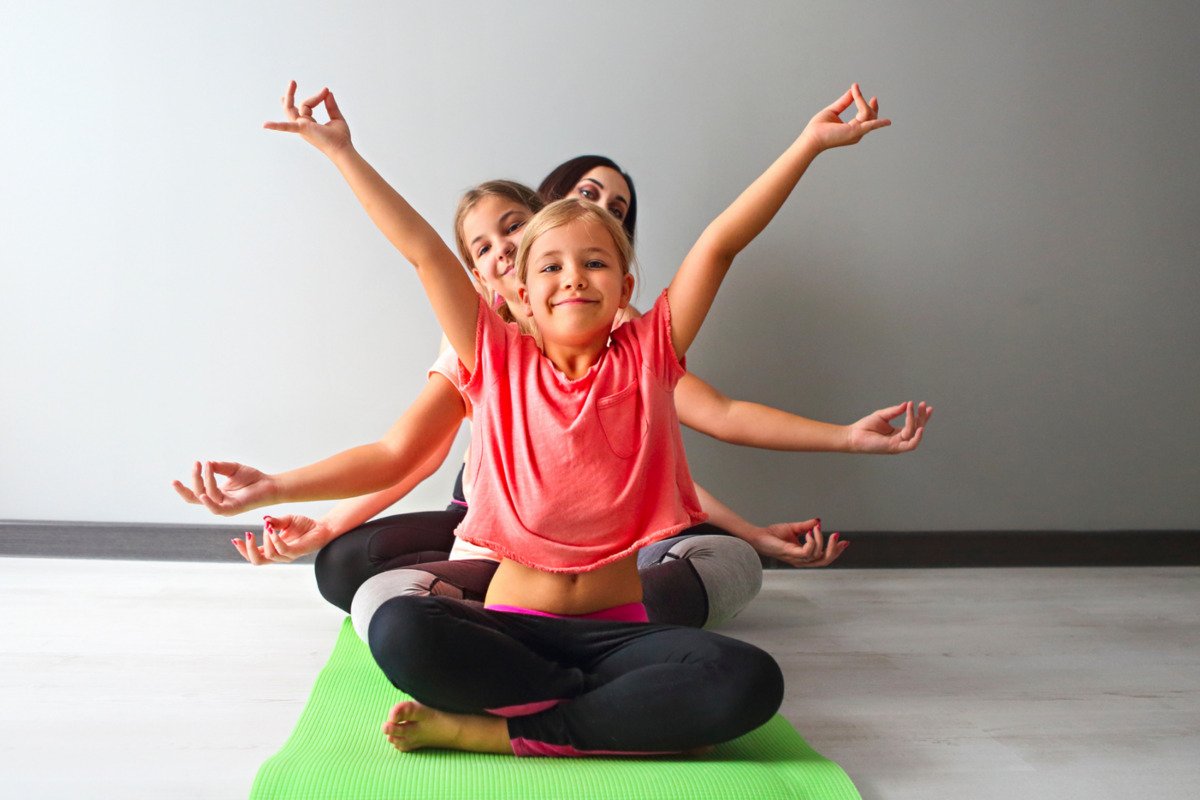
  • Activities which enhance cardiovascular systems, muscular strength, endurance and flexibility.
  • A participation based intramural program.
  • Qualified, enthusiastic teachers.
  • Creative and safe use of facilities and equipment.

QDPE ensures that all children who receive it have the opportunity to develop the knowledge, skills, and habits that they need to lead physically active lives now, and just as importantly, into the future. A QDPE school is one that values the importance of physical education to the complete learning of our children, and has engrained QDPE and physical activity into the foundation and culture of the school environment.

Since the QDPE initiative was launched by PHE Canada, the term has been widely accepted across Canada, the US, and internationally. QDPE is one of our most comprehensive strategies for increasing the physical education levels of Canadian children and youth.


PHE Canada’s Position Statement on QDPE

A QDPE school provides students with the knowledge and skills necessary to develop a positive attitude toward physical activity—an attitude that will last a lifetime!

  1. QDPE in every school is essential to successfully reversing the inactivity crisis plaguing Canadian children and youth.
  2. All children and youth in Canada must receive physical education through compulsory Kindergarten to Grade 12 QDPE programs.
  3. All students must receive their physical education from teachers who are qualified to teach the subject.
  4. The minimum acceptable criteria for the delivery of Physical Education in Canadian schools are those set out by PHE Canada.

Why do we need QDPE?

  • Children need the opportunity to develop the knowledge, skills and attitudes to be physically active.
  • Children need the opportunity to be active on a daily basis.
  • Children need to develop skills in a variety of areas, and need to learn them in a sequential way with the opportunity to put learning into action.
  • QDPE ensures that those individuals charged with teaching physical education believe in its importance, are enthusiastic about its delivery, and are qualified to teach an effective program.
  • QDPE is necessary to ensure that all elements of the physical education provincial curricula are being taught and that all children have the best possible opportunity to achieve the required outcomes.
  • Our children deserve and have a right to receive QDPE.

What are the benefits of QDPE?

QDPE provides children with the opportunity to develop the knowledge, skills, and attitudes to be physically active. Studies show that physically active children are more likely to become physically active adults. As a result, regular physical activity:

  • Has a positive impact on behaviour and healthy lifestyles.
  • Enhances academic performance.
  • Improves mental health and contributes to a child’s healthy growth and development.
  • Reduces the risk of cardiovascular disease.
  • Reduces levels of obesity and overweight.
  • Reduces the risk of osteoporosis by improving skeletal health.
  • Can significantly reduce present and future health care costs.

(Source: Destination QDPE, Section 1: All you need to know about QDPE)

QDPE Wordmark Guidelines

Who is a Physical Educator?

A Qualified Physical Educator holds a Bachelor of Physical Education, or a Bachelor of Education or Kinesiology with a concentration in Physical Education, is fully certified by the province, and follows provincial curriculum using sound pedagogical principles.


Physical and Health Education Canada

301-2197 Riverside Drive
Ottawa, Ontario Canada K1H 7X3

Tel. (613) 523-1348 or (800) 663-8708 (in Canada)
Fax. (613) 523-1206 General email: info@phecanada.ca

Copyright © PHE Canada, 2009

Privacy Policy